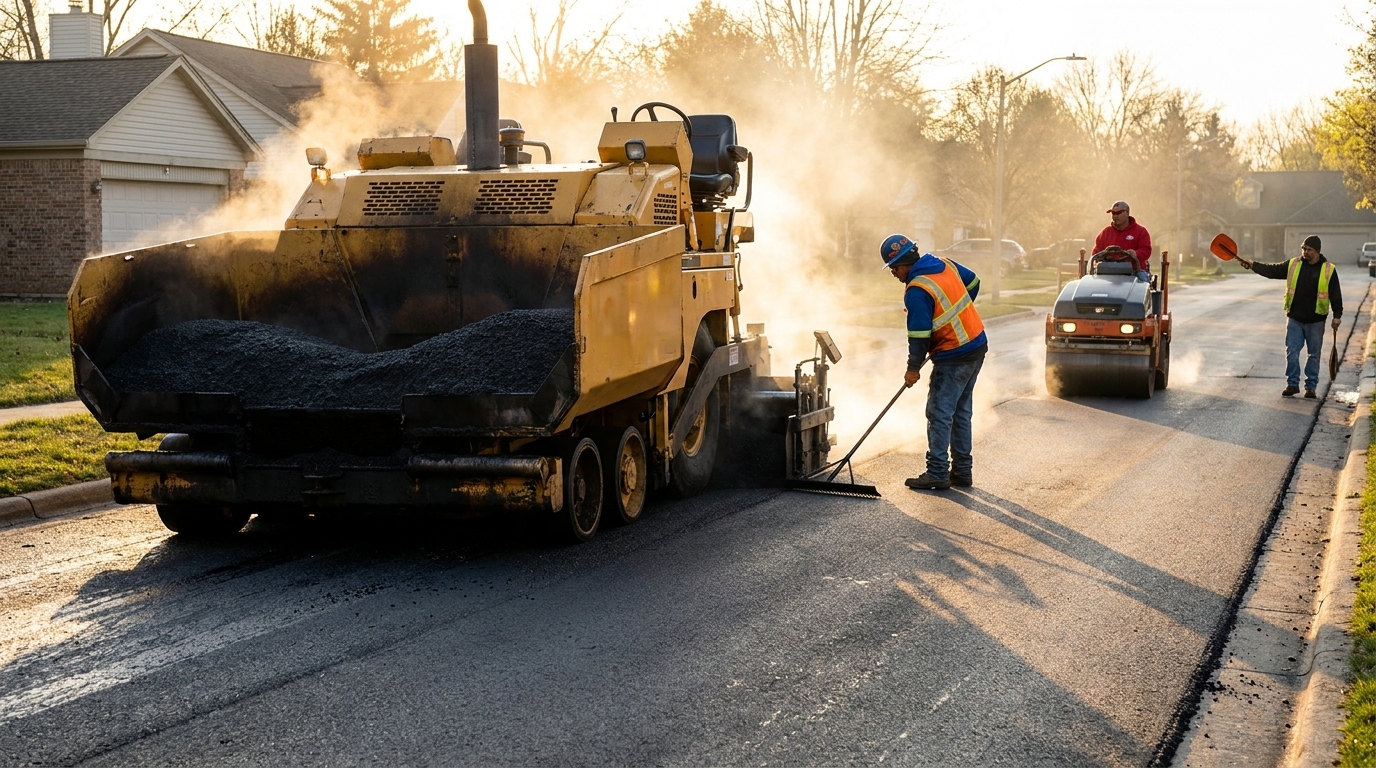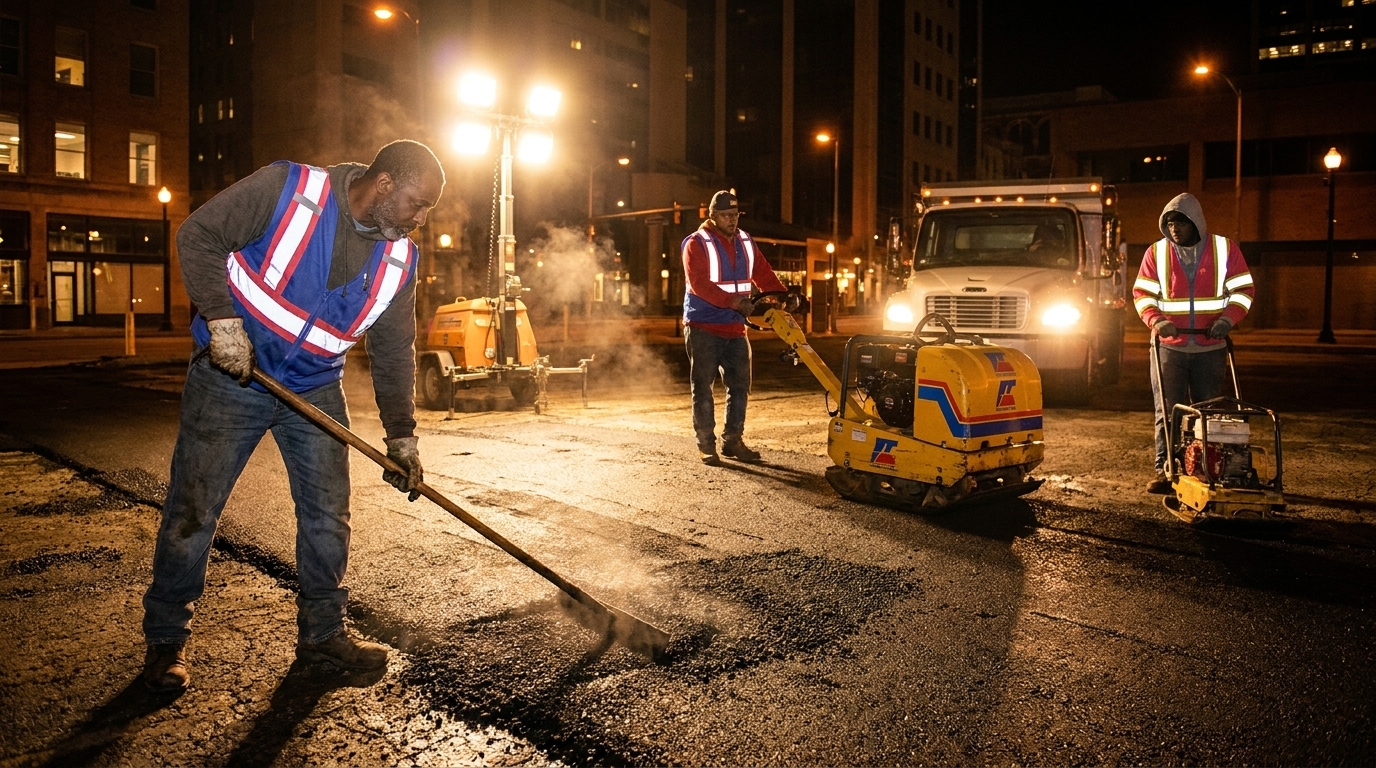
Your clients are spending way more than they need to on their parking lots. The ones who only call you when something breaks are paying two to three times more over a 10-year period than the ones doing regular preventive work. Most of them have no idea. You do. That gap in knowledge is your opening.
Contractors who offer pavement management plans as a service don't just win the next job. They win the next five years of work from the same client — and they spend a lot less time chasing bids to get there.
The Pitch Is Simple
Asphalt fails in stages. Surface cracks come first. Those turn into alligatoring. Alligatoring turns into structural failure. Each stage costs significantly more to fix than the one before it.
A seal coat on a 50,000 sq ft lot in decent shape runs $8,000 to $15,000 and buys another five to seven years of useful life. That same lot left alone eventually needs a full mill and overlay at $125,000 to $200,000. When you put those two numbers in front of a property manager side by side, the conversation changes fast.
The pitch isn't about selling maintenance. It's about showing clients what deferred maintenance actually costs. Most property managers are juggling multiple properties and thinking in annual budget cycles. Help them see the 10-year picture and you become the contractor who saved them money, not just the one who sent them a bill.
What a Pavement Management Plan Actually Includes
It doesn't have to be complicated. The basics are a condition assessment, a maintenance schedule, and a multi-year cost projection. You don't need special software or a formal engineering report. A clear one-page document with photos and numbers is enough to get started.
The condition assessment is a walk-through of the lot, once a year, with photos. You're rating sections as good, fair, or poor and noting what each area needs: cracks, potholes, drainage problems, faded striping. It takes an hour on-site and gives you a documented record that justifies every recommendation you make.
The maintenance schedule puts everything on a calendar: crack fill in the spring, seal coat every three to five years, restripe as needed. Predictable work, predictable pricing.
The cost projection is what closes the deal. Show the client $5,000 per year in preventive maintenance against a $150,000 overlay in year seven if they do nothing. The math speaks for itself.
Why This Is Good for Your Business
Recurring maintenance contracts are more predictable than one-off bids. You know what's on your schedule weeks in advance instead of scrambling for the next job. You're not competing against four other contractors on price every time.
If you want to build pavement management proposals that look professional and are easy to put together, Paver is built for exactly that.